

Course language: Polish
—
Course Description
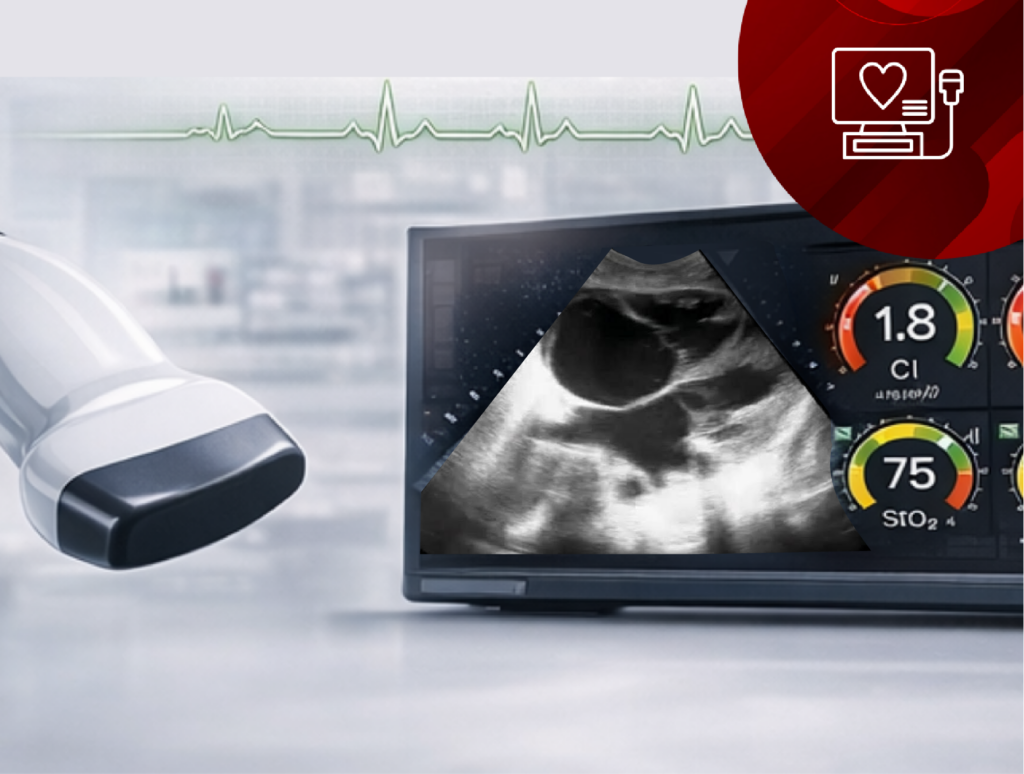
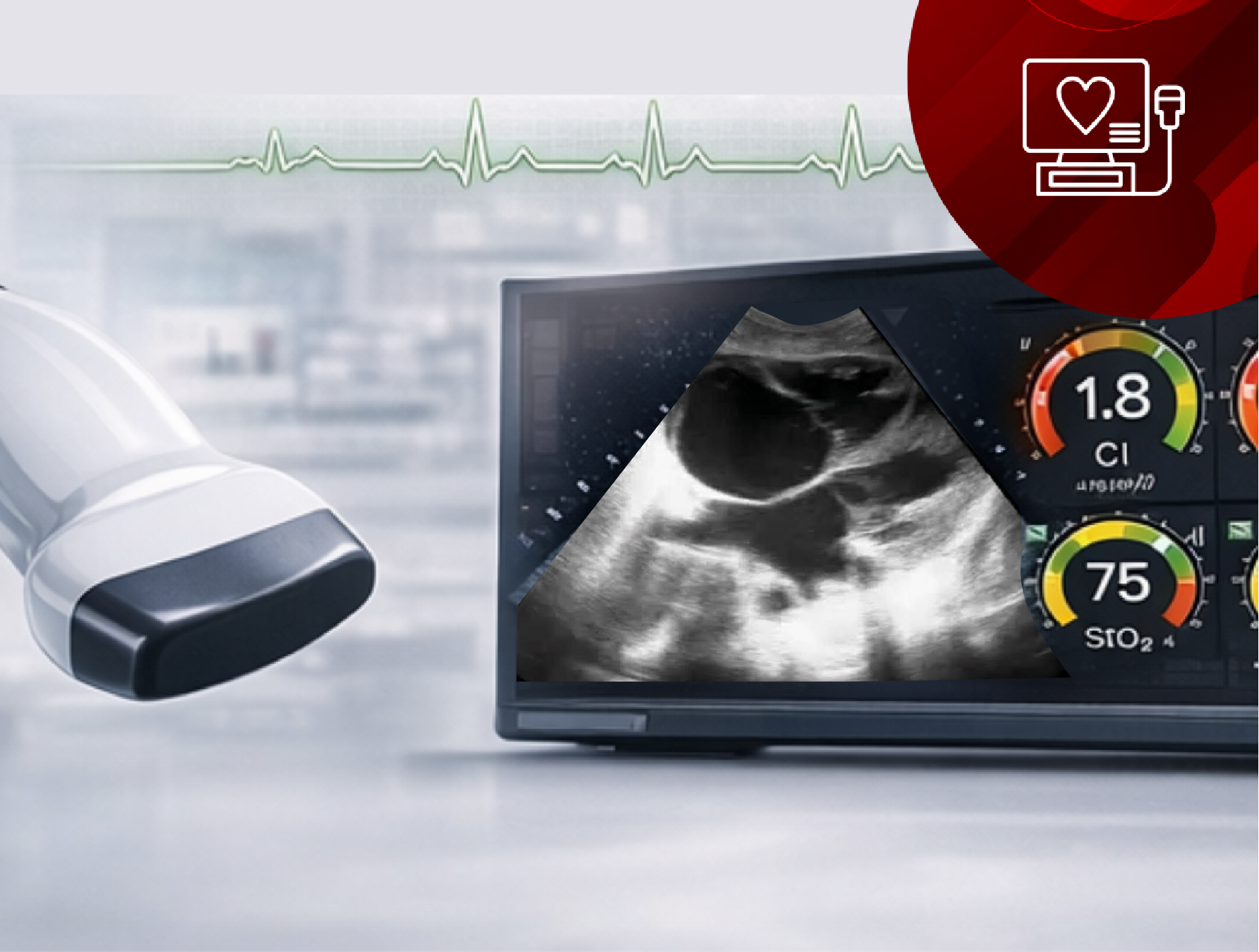
The course focuses on a practical approach to hemodynamic monitoring in the operating room and in the anesthesiology and intensive care unit – ranging from minimally invasive methods, through pulse contour analysis and transpulmonary thermodilution, to monitoring using the Swan-Ganz catheter and ultrasound-based hemodynamic assessment. The sessions combine a review of current literature, an accessible discussion of cardiovascular physiology and the pathophysiology of shock, analysis of advanced monitoring parameters, and discussion of real clinical cases.
Scientific Director:
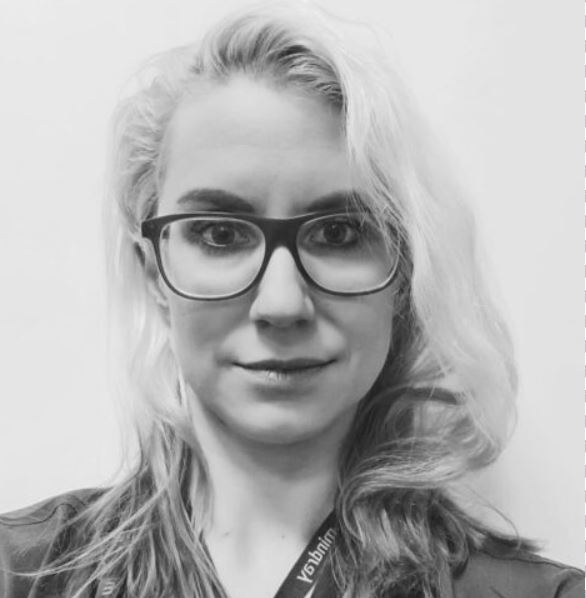
Dr Agata Andrzejewska, MD, PhD – University Clinical Hospital No. 1, Pomeranian Medical University (PUM) in Szczecin; long-time lecturer at workshops on hemodynamic monitoring in Poland and across Europe.
Course Scope
Course Objectives
Teaching Format
Target Audience
The course is intended for residents and specialists in anesthesiology and intensive care, cardiology, and emergency medicine, as well as all healthcare professionals interested in deepening their practical skills in advanced hemodynamic monitoring and implementing them in daily clinical practice.
Course Program
Friday: 16:00–19:10 – Fundamentals and Clinical Framework
15:30–16:00 – Registration and welcome
16:00–16:20 – Opening, presentation of objectives, program overview
16:20–17:20 – Cardiovascular physiology: right and left heart
Cardiac output, Frank–Starling law, preload, afterload, PVR vs SVR.
Special role of the right heart: ventricular interaction, effects of ventilation, ARDS, pulmonary embolism.
17:20–17:30 – Coffee break
17:30–18:25 – Pathophysiology of shock and circulatory failure
Types of shock, hemodynamic profiles, therapeutic goals.
“Hemodynamic clinical questions”: hypovolemia? afterload? contractility? RV vs LV?
18:25–19:00 – Basics of pharmacotherapy in shock depending on monitoring
19:00–19:10 – Day 1 summary
Saturday
09:00–09:30 – Overview of monitoring techniques
From basic bedside parameters to advanced systems: PAC, TPTD, pulse contour.
Advantages, limitations, invasiveness, and typical indications.
09:30–10:20 – Introduction to PAC and TPTD/pulse contour data interpretation
Overview of key parameters: PA, PCWP, CO/CI, SvO₂, SVR, GEDV, EVLW, SVV/PPV.
Clinical case examples.
10:20–10:35 – Coffee break
10:35–11:30 – Fundamentals of ultrasound in hemodynamic monitoring
Cardiac ultrasound in hemodynamic assessment.
POCUS in diagnosis and management of shock.
Ultrasound protocols and treatment algorithms.
11:30–12:00 – Therapeutic decision-making algorithms
Interpretation and application of hemodynamic data in clinical management.
Treatment pathways.
12:00–12:45 – Lunch break
12:45–16:00 – Practical sessions
16:00–16:45 – Case-based summary: how to choose monitoring for a specific patient
Guidelines, international recommendations, and standards.
Case-based learning.
16:45–17:00 – Summary and certificate distribution
Technology Partner:

MD, PhD
MD, PhD

MD

MD, PhD

Dr hab. n. med. i n. o zdr.

lekarz
Dr n. med.

Dr n. med.
Prof. Dr hab. n. med.

Dr hab. n. med

lekarz
Dr n. med.

Dr hab. n. med.
Dr n. med.
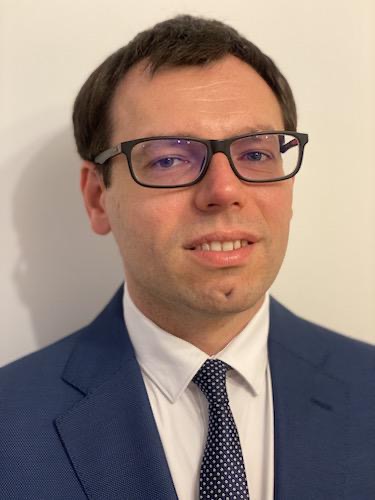
Dr n. med.
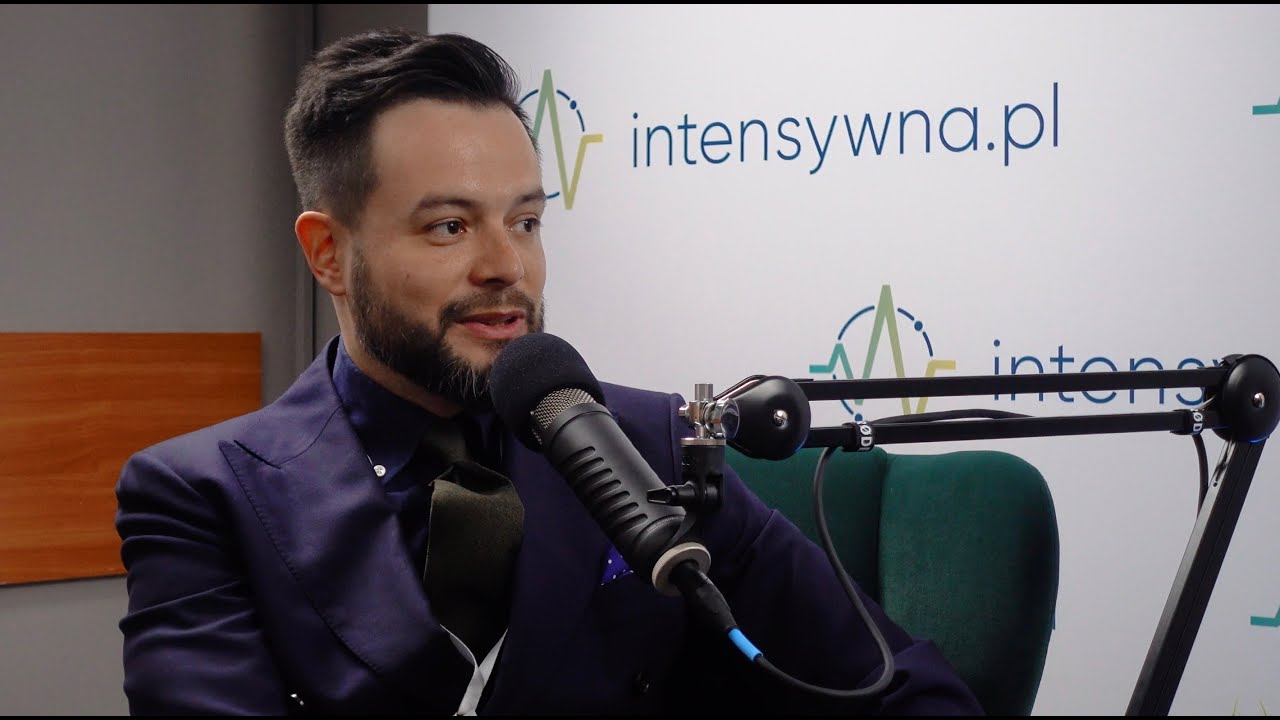
Dr n. med